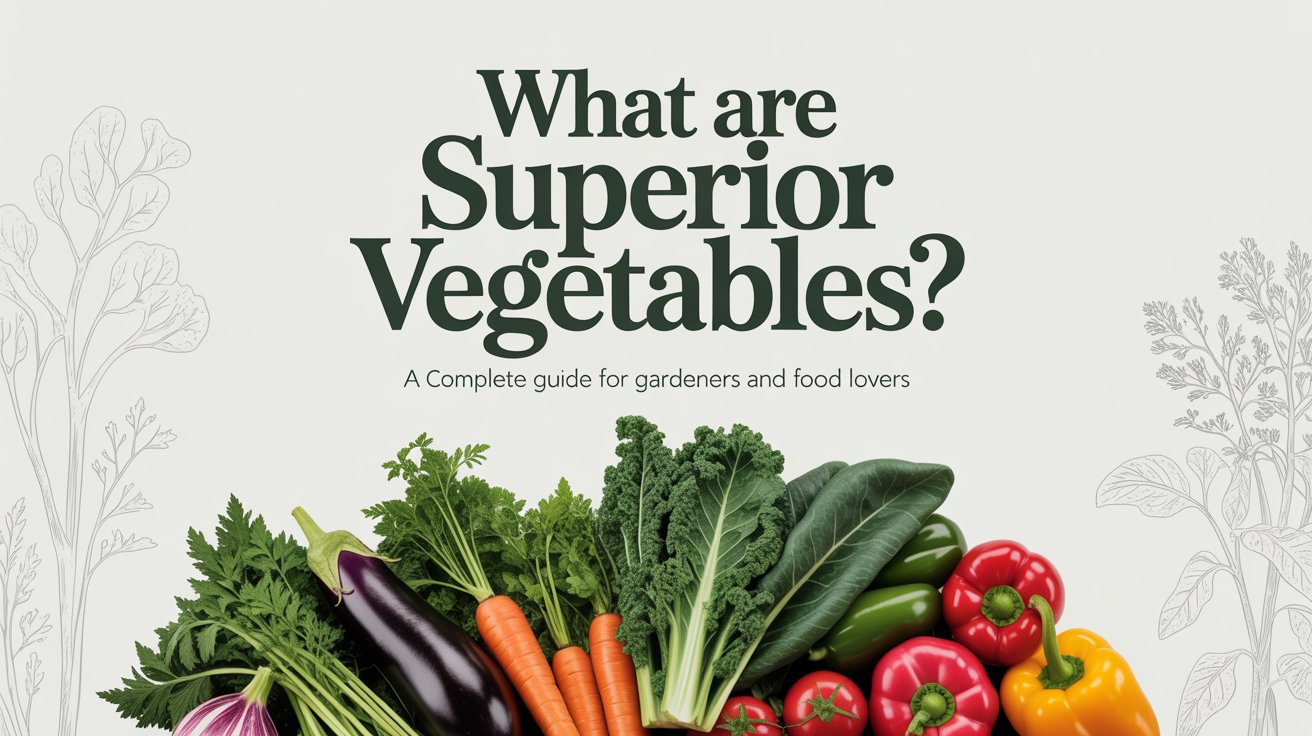
What Are Superior Vegetables? A Complete Guide for Gardeners and Food Lovers
Published: 29 Oct 2025
Introduction: Why Superior Vegetables Matter
Superior vegetables are not just about appearance. They combine flavor, nutrition and high productivity. For gardeners and food lovers alike, choosing the right vegetables can transform meals and maximize harvests. Whether you’re growing in containers or cultivating a backyard plot, the right choices make a big difference.
These vegetables are often selected for their resilience, taste and yield. They thrive in various climates and offer consistent results. Because they are nutrient-dense and flavorful, they are preferred by chefs and home cooks. Moreover, they support sustainable gardening practices and reduce food waste.
In this guide, you’ll discover what makes a vegetable “superior,” how to grow them and which varieties deliver the best results. From soil preparation to harvesting tips, every section is packed with practical advice.
Defining Superior Vegetables: Flavor, Yield and Nutrition
Superior vegetables are defined by three core traits: exceptional flavor, high yield and nutritional value. These traits are not accidental. They result from careful selection, proper cultivation and ideal growing conditions.
Flavor is influenced by soil quality, sunlight and variety. For example, heirloom tomatoes like ‘Brandywine’ are known for their rich taste. Yield refers to the amount of produce harvested per plant or square foot. Vegetables like zucchini and potatoes are grown for their high productivity. Nutrition includes vitamins, minerals and antioxidants. Leafy greens such as kale and spinach are packed with essential nutrients.
Because these vegetables offer more than just bulk, they are ideal for gardeners who value quality. They also support health-conscious diets and culinary creativity.

Why Gardeners Should Prioritize Superior Vegetables
Growing superior vegetables is not just about aesthetics. It’s a smart strategy for maximizing space and effort. When you grow vegetables that offer both flavor and yield, your garden becomes more efficient and rewarding.
Superior vegetables are often disease-resistant and adaptable. This means fewer losses and less maintenance. Additionally, they are more likely to thrive in organic systems. Because they require fewer chemical inputs, they support soil health and biodiversity.
For gardeners with limited space, choosing high-yield crops is essential. Vertical gardening and raised beds can be used to grow more in less area. Moreover, superior vegetables often have longer harvest windows which means more food over time.
Here are some of the best vegetables to grow for flavor and yield:
- Tomatoes: Especially heirloom and cherry varieties. They offer intense flavor and continuous harvests.
- Carrots: Sweet and crunchy. Varieties like ‘Nantes’ are known for their taste and uniform shape.
- Kale: Cold-hardy and nutrient-rich. It improves in flavor after frost.
- Zucchini: Fast-growing and prolific. One plant can feed a family.
- Spinach: Tender leaves and high in iron. It grows quickly in cool weather.
- Peppers: Both sweet and hot varieties offer bold flavor and vibrant color.
- Potatoes: Reliable and versatile. They store well and yield heavily.
Because these vegetables combine multiple benefits, they are ideal for both beginners and experienced gardeners.
Soil Preparation for Superior Vegetables
Healthy soil is the foundation of a productive garden. Superior vegetables require nutrient-rich, well-drained soil. Compost and organic matter should be added regularly. This improves structure and fertility.
Soil testing is recommended before planting. It reveals pH levels and nutrient deficiencies. Based on results, amendments like lime or bone meal can be added. Raised beds are often used to improve drainage and reduce compaction.
Because superior vegetables are sensitive to soil conditions, consistent care is essential. Mulching helps retain moisture and suppress weeds. Crop rotation prevents disease buildup and maintains soil balance.

Sunlight and Watering Needs
Most superior vegetables need at least six hours of direct sunlight daily. Leafy greens can tolerate partial shade but fruiting crops like tomatoes and peppers require full sun. Sunlight affects flavor and growth rate.
Watering should be consistent. Drip irrigation or soaker hoses are preferred. These methods reduce evaporation and deliver moisture directly to roots. Overwatering can lead to root rot while underwatering stresses plants.
Because weather conditions vary, soil moisture should be checked regularly. Mulching helps regulate temperature and moisture. Watering early in the day prevents fungal diseases.
Pest and Disease Management
Superior vegetables are often bred for resistance. However, pests and diseases can still pose challenges. Organic gardening tips recommend natural solutions. Neem oil and insecticidal soap are effective against many insects.
Crop rotation and companion planting reduce pest pressure. For example, marigolds deter nematodes and basil repels aphids. Physical barriers like row covers protect young plants.
Because early detection is key, regular inspection is important. Removing affected leaves and using organic sprays can prevent spread. Healthy plants are more resilient and recover faster.
Fertilization and Nutrient Boosting
Superior vegetables need balanced nutrition. Organic fertilizers like compost tea, fish emulsion and worm castings are commonly used. These provide slow-release nutrients and improve soil biology.
Nitrogen supports leafy growth while phosphorus promotes root and flower development. Potassium enhances overall plant health. Micronutrients like calcium and magnesium are also important.
Because over-fertilization can harm plants, soil testing is advised. Foliar feeding is used for quick nutrient absorption. Regular feeding schedules ensure steady growth and high yield.
Flavor Profiles of Superior Vegetables
Flavor is one of the most important traits of superior vegetables. It is influenced by variety, soil quality and growing conditions. For example, tomatoes grown in compost-rich soil taste sweeter. Carrots harvested after a light frost develop more sugar. These flavor changes are natural and desirable.
Because superior vegetables are often heirloom or hybrid varieties, they are bred for taste. Unlike commercial crops that prioritize shelf life, these vegetables focus on culinary quality. Gardeners who value flavor often choose varieties like ‘Sungold’ tomatoes or ‘Chioggia’ beets.
Moreover, flavor is enhanced by proper harvesting. Picking vegetables at peak ripeness ensures the best taste. Overripe or underripe produce lacks the depth and complexity that food lovers seek.
Nutritional Value and Health Benefits
Superior vegetables are packed with nutrients. They contain vitamins, minerals and antioxidants that support overall health. Leafy greens like kale and spinach are rich in iron and calcium. Root vegetables such as carrots and beets offer beta-carotene and folate.
Because these vegetables are grown in healthy soil, they absorb more nutrients. Organic gardening tips recommend compost and natural fertilizers. These improve soil biology and increase nutrient availability.
Moreover, superior vegetables support immune function and digestion. They are low in calories and high in fiber. For food lovers who prioritize wellness, these vegetables are essential.
Harvesting Techniques for Maximum Flavor and Yield
Harvesting is a critical step in vegetable gardening. Superior vegetables must be picked at the right time. Tomatoes should be firm and fully colored. Leafy greens are best harvested early in the morning.
Because timing affects flavor and shelf life, daily inspection is recommended. Sharp tools should be used to avoid bruising. Additionally, vegetables should be stored properly to maintain freshness.
For example, root vegetables like carrots and potatoes are cured before storage. This process improves texture and longevity. Leafy greens are kept in cool, humid conditions to prevent wilting.
Storage and Preservation Methods
Superior vegetables deserve proper storage. This ensures flavor and nutrition are preserved. Root vegetables are stored in dark, cool places. Leafy greens are kept in breathable containers.
Because moisture affects shelf life, humidity control is important. Vegetables should not be washed until ready to use. This prevents mold and decay.
Preservation methods like freezing, pickling and fermenting are also used. These extend availability and enhance flavor. For example, fermented cabbage becomes sauerkraut. Frozen spinach retains most of its nutrients.
Organic Gardening Tips for Superior Vegetables
Organic gardening supports superior vegetable growth. It avoids synthetic chemicals and promotes natural balance. Compost, mulch and crop rotation are essential practices.
Because soil health is vital, organic matter is added regularly. This improves structure and fertility. Raised beds are used to control drainage and reduce compaction.
Pest control is managed with natural solutions. Neem oil, garlic spray and beneficial insects are common tools. Disease prevention includes spacing, pruning and resistant varieties.
Moreover, organic gardening enhances flavor and nutrition. Vegetables grown in rich, living soil taste better and last longer.
Vegetable Gardening for Beginners: Start with Superior Crops
Beginners should start with superior vegetables. These are easier to grow and offer better results. Tomatoes, carrots and lettuce are ideal choices. They require minimal care and produce quickly.
- Because space is often limited, container gardening is recommended. Peppers, spinach and radishes grow well in pots. Raised beds offer more control and reduce weeds.
- Planning is essential. Gardeners should choose crops based on climate and season. Succession planting ensures continuous harvests. Moreover, companion planting improves growth and reduces pests.
- Starting with superior vegetables builds confidence and success. It also encourages healthy eating and sustainable habits.
Culinary Uses of Superior Vegetables
Superior vegetables shine in the kitchen. Their flavor and texture elevate dishes. Tomatoes are used in sauces, salads and soups. Carrots add sweetness to stews and stir-fries.
Because these vegetables are versatile, they suit many cuisines. Kale is sautéed, baked or blended into smoothies. Peppers are roasted, stuffed or sliced raw.
Food lovers appreciate the depth and complexity of superior vegetables. They pair well with herbs, spices and oils. Moreover, they inspire creativity and experimentation.
Cooking with fresh, flavorful produce enhances meals and supports wellness.

Regional Adaptation and Climate Considerations
Superior vegetables must match local conditions. Climate affects growth, flavor and yield. Cool-season crops like spinach and kale thrive in spring and fall. Warm-season crops like tomatoes and peppers need summer heat.
Because weather varies, gardeners should choose regionally adapted varieties. These are bred for local soil and temperature. For example, ‘Early Girl’ tomatoes perform well in short growing seasons.
Microclimates also matter. Raised beds warm faster and drain better. Shade cloth protects crops from heat stress. Moreover, frost dates guide planting and harvesting schedules.
Adapting to climate ensures better results and healthier plants.
FAQs
Flavor, yield and nutrition define superior vegetables.
Tomatoes, carrots and lettuce are easy to grow and productive.
Use compost, harvest at peak ripeness and choose heirloom varieties.
They benefit from healthy soil, proper watering and organic practices.
Yes. Peppers, spinach and radishes thrive in pots




- Be Respectful
- Stay Relevant
- Stay Positive
- True Feedback
- Encourage Discussion
- Avoid Spamming
- No Fake News
- Don't Copy-Paste
- No Personal Attacks
- Be Respectful
- Stay Relevant
- Stay Positive
- True Feedback
- Encourage Discussion
- Avoid Spamming
- No Fake News
- Don't Copy-Paste
- No Personal Attacks
