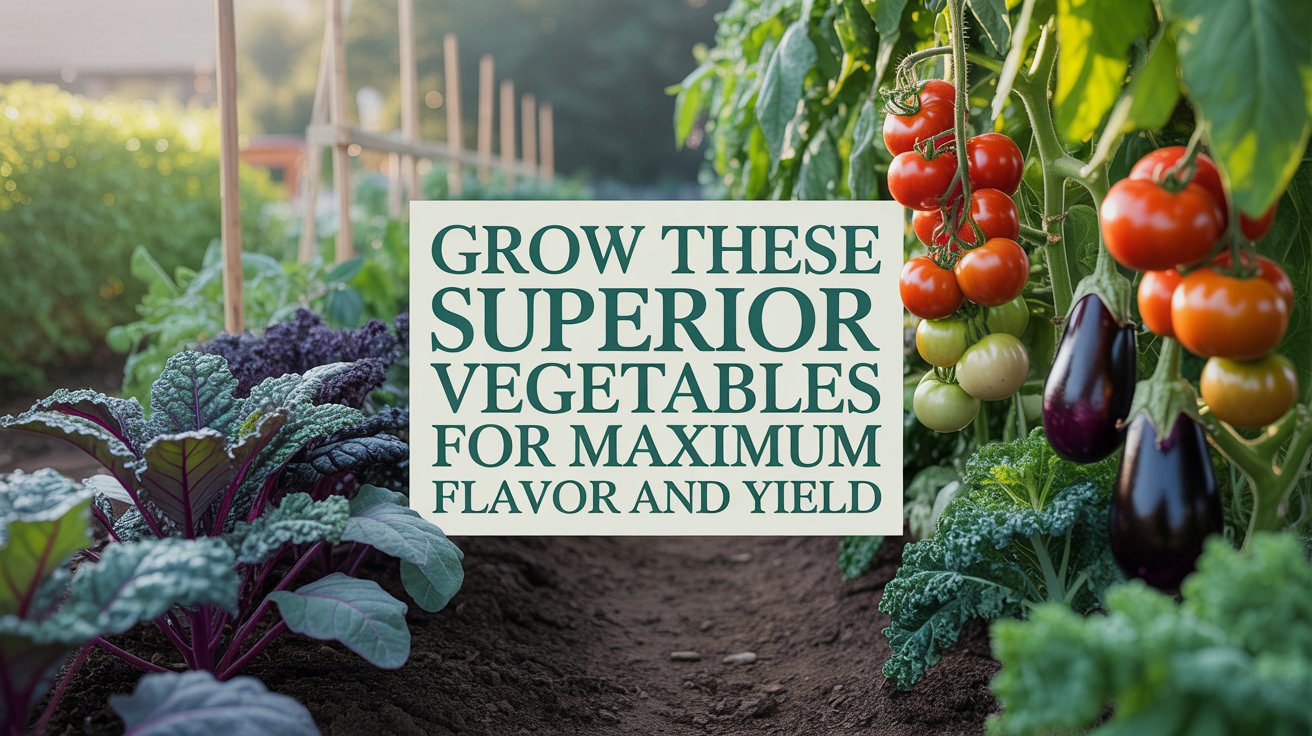
Grow These Superior Vegetables for Maximum Flavor and Yield
Published: 29 Oct 2025
Introduction: Why Superior Vegetables Matter
Growing vegetables that deliver both flavor and yield is not just a hobby. It’s a strategic way to maximize your garden’s potential. Whether you’re cultivating a small backyard plot or managing a large organic farm, choosing the right vegetables can transform your harvest. Moreover, when superior varieties are selected, gardeners enjoy better taste, longer shelf life and higher nutritional value.
Transitioning from generic crops to high-performing vegetables has become essential. Not only does it improve soil health but it also reduces waste. Therefore, understanding which vegetables offer the best return is the first step toward a thriving garden.
Carrots: Sweet Roots with High Yield Potential
Carrots are among the best vegetables to grow for flavor and productivity. Their deep roots help aerate the soil and their sweetness improves with cooler temperatures. Additionally, heirloom varieties like ‘Danvers’ and ‘Nantes’ are known for their rich taste and consistent growth.
Raised beds are often used for carrot cultivation. This method ensures proper drainage and encourages straight root development. Because carrots require loose soil and minimal disturbance, they are ideal for beginners and experts alike.
| Tomatoes: The Flavor Giants of Summer |
|---|
Tomatoes dominate vegetable garden planning due to their versatility and taste. Cherry tomatoes such as ‘Sungold’ and beefsteak varieties like ‘Brandywine’ are grown for their intense flavor. Furthermore, indeterminate types produce fruit throughout the season which increases overall yield. Organic gardening tips often emphasize companion planting with basil or marigolds. These plants deter pests and enhance tomato growth. In addition, staking or caging is recommended to prevent rot and improve air circulation. |
Kale: Nutrient-Dense and Cold-Hardy
Kale is a powerhouse vegetable that thrives in cooler climates. Its leaves are packed with vitamins and antioxidants. Because it can be harvested multiple times, kale offers excellent yield per square foot.
Gardeners often choose curly or dinosaur kale for their texture and resilience. Moreover, kale benefits from frost exposure which boosts its sweetness. Mulching is used to retain moisture and suppress weeds.

Peppers: Vibrant Colors and Bold Flavors
Peppers add color and spice to any garden. Bell peppers and hot varieties like jalapeños are grown for their culinary versatility. They require warm soil and consistent watering.
Raised beds and containers are commonly used for pepper cultivation. These methods improve drainage and reduce disease risk. Additionally, peppers benefit from phosphorus-rich fertilizers which promote fruit development.
Onions are essential in vegetable garden planning. They store well and enhance countless dishes. Varieties like ‘Walla Walla’ and ‘Red Creole’ are favored for their sweetness and shelf life.
Because onions prefer full sun and loose soil, they are often planted in rows. Crop rotation is recommended to prevent soil-borne diseases. Moreover, onions are harvested when their tops fall over naturally.
Cucumbers: Crisp Texture and Fast Growth
Cucumbers are grown for their refreshing taste and rapid production. Varieties like ‘Marketmore’ and ‘Lemon’ cucumber are popular among organic gardeners. Trellising is used to save space and improve air flow.
Because cucumbers are sensitive to cold, they are planted after the last frost. Mulching helps retain moisture and suppress weeds. Additionally, regular harvesting encourages continuous fruiting.
Potatoes: Reliable Yield and Versatile Use
Potatoes are among the highest yield vegetables. They grow underground and require minimal maintenance. Varieties like ‘Yukon Gold’ and ‘Russet’ are chosen for their flavor and cooking versatility.
Raised beds and grow bags are often used for potato cultivation. These methods simplify harvesting and reduce pest exposure. Moreover, potatoes benefit from hilling which increases tuber production.

Lettuce: Fast-Growing and Flavorful Greens
Lettuce is a staple in organic gardening tips. It grows quickly and offers multiple harvests. Varieties like ‘Butterhead’ and ‘Romaine’ are favored for their texture and taste.
Because lettuce prefers cool weather, it is often grown in spring and fall. Succession planting is used to ensure continuous supply. Additionally, shade cloth can be used to prevent bolting in warmer climates.
Corn: Sweet Ears and High Yield
Corn is grown for its sweetness and productivity. Varieties like ‘Silver Queen’ and ‘Golden Bantam’ are popular among home gardeners. Corn requires full sun and rich soil.
Because corn is wind-pollinated, it is planted in blocks rather than rows. Fertilization is essential during tasseling. Moreover, corn benefits from deep watering which supports ear development.
Spinach is a cool-season crop known for its iron-rich leaves. Varieties like ‘Bloomsdale’ and ‘Space’ are grown for their tenderness and flavor. Spinach is often planted in early spring or late fall.
Because spinach prefers moist soil, drip irrigation is recommended. Mulching helps regulate temperature and reduce weed growth. Additionally, spinach can be harvested multiple times for extended yield.
Companion Planting for Maximum Yield
Companion planting enhances vegetable garden planning. Basil improves tomato flavor and marigolds deter pests. Beans fix nitrogen which benefits leafy greens.
Because certain plants repel insects or attract pollinators, strategic placement is essential. Moreover, companion planting reduces the need for chemical inputs and improves biodiversity.
Soil Preparation and Organic Gardening Tips
Healthy soil is the foundation of high yield vegetables. Compost and organic matter improve structure and fertility. Raised beds are used to control drainage and reduce compaction.
Because soil testing reveals nutrient deficiencies, it is recommended before planting. Mulching and crop rotation are essential practices. Additionally, avoiding synthetic fertilizers supports long-term soil health.

Sunlight and Watering Strategies
Vegetables require consistent sunlight and water. Most crops need at least six hours of sun daily. Drip irrigation and soaker hoses are used to deliver moisture efficiently.
Because overwatering leads to root rot, monitoring soil moisture is essential. Mulching helps retain water and reduce evaporation. Moreover, watering early in the day prevents fungal growth.
Pest Control and Disease Prevention
Organic gardening tips emphasize natural pest control. Neem oil and insecticidal soap are used to manage infestations. Crop rotation and resistant varieties reduce disease risk.
Because pests thrive in monocultures, diversity is encouraged. Physical barriers like row covers protect young plants. Additionally, regular inspection helps catch problems early.
Fertilization and Nutrient Management
Fertilization supports vegetable growth and flavor. Compost and fish emulsion are popular organic options. Balanced NPK ratios are used based on crop needs.
Because over-fertilization harms plants, soil testing is recommended. Slow-release formulas provide consistent nutrition. Moreover, foliar feeding boosts leaf development.
Harvesting Techniques for Maximum Flavor
Harvesting at the right time enhances taste and shelf life. Tomatoes are picked when fully colored and firm. Leafy greens are harvested early for tenderness.
Because timing affects flavor, daily inspection is encouraged. Sharp tools prevent bruising and damage. Additionally, storing vegetables properly extends freshness.
FAQ
Potatoes, tomatoes and corn are known for high productivity.
Proper sunlight, soil health and timely harvesting enhance taste.
Yes. Peppers, lettuce and carrots thrive in containers.
Most vegetables need 1 inch of water per week.
Loamy soil rich in organic matter is ideal.




- Be Respectful
- Stay Relevant
- Stay Positive
- True Feedback
- Encourage Discussion
- Avoid Spamming
- No Fake News
- Don't Copy-Paste
- No Personal Attacks
- Be Respectful
- Stay Relevant
- Stay Positive
- True Feedback
- Encourage Discussion
- Avoid Spamming
- No Fake News
- Don't Copy-Paste
- No Personal Attacks
