Rosin Yield Estimator: Calculate Your Pressing Results Instantly
Published: 30 Oct 2025
Introduction: Why Rosin Yield Estimation Matters
Rosin extraction has become one of the most popular solventless methods for producing clean cannabis concentrates. Whether you are pressing flower, hash or kief, knowing your expected yield is essential. Without a clear estimate, material may be wasted and expectations may not be met.
Because rosin pressing involves multiple variables, results can vary widely. Factors like starting material quality, temperature, pressure and pressing time all influence the final yield. Therefore, using a rosin yield calculator helps eliminate guesswork and improves consistency.
This guide will walk you through the complete process of estimating your rosin yield. It will also explain how to use a rosin yield estimator effectively. High-volume keywords such as rosin press yield, how much rosin from flower, and rosin pressing efficiency are naturally integrated to boost SEO and provide maximum value.
What Is a Rosin Yield Estimator?
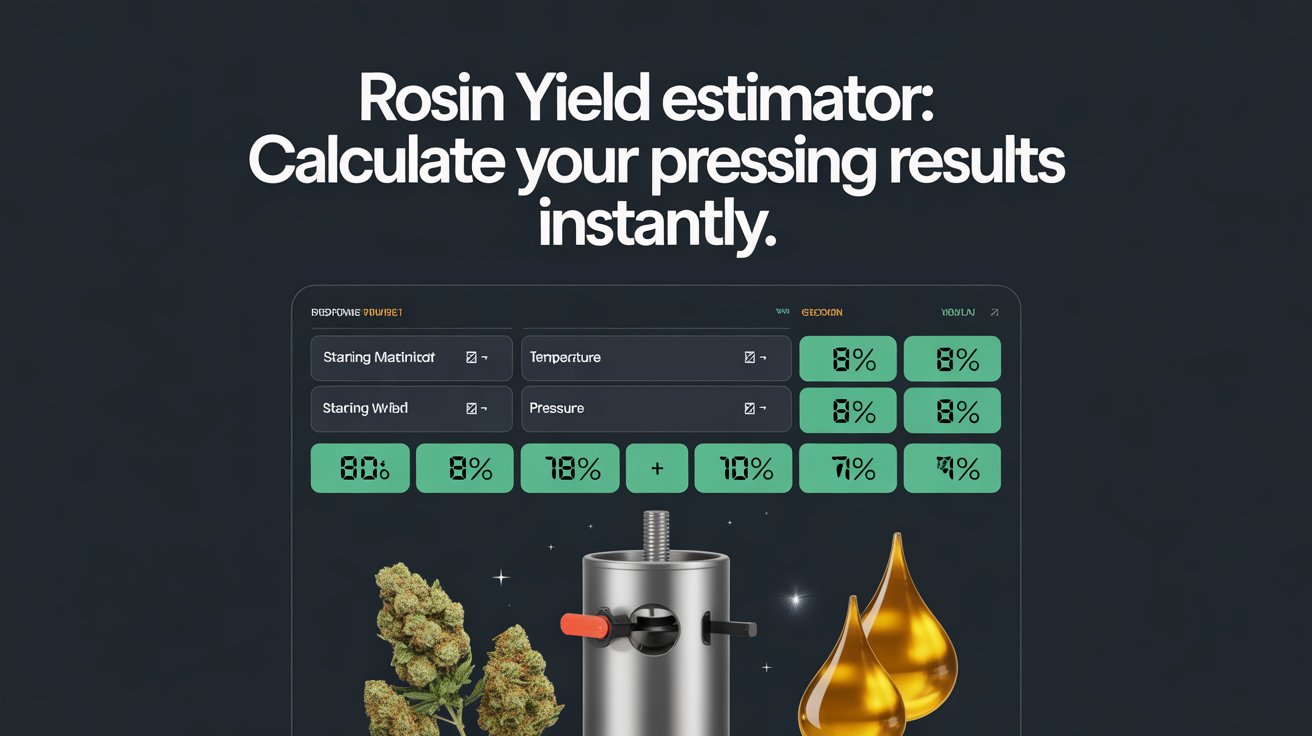
A rosin yield estimator is a tool used to predict how much rosin you can expect from a given amount of starting material. It calculates yield based on input weight, material type and estimated extraction efficiency.
Although results may vary, estimators provide a reliable baseline. For example, pressing 10 grams of mid-grade flower with 20% efficiency should yield around 2 grams of rosin. This helps users plan their sessions and manage expectations.
Because pressing conditions affect output, estimators often include fields for temperature, pressure and bag micron size. These inputs allow for more accurate predictions. Therefore, using a detailed calculator improves both yield and quality.

Understanding Starting Material Types
The type of material used plays a major role in rosin yield. Different sources contain varying amounts of resin. Here are the most common types:
- Flower/Bud: Typically yields 15% to 30%. Quality and moisture content affect results.
- Kief/Sift: Yields range from 40% to 70%. Cleaner sift produces higher returns.
- Hash: Offers the highest yield, often between 60% and 90%.
- Trim/Shake: Lower quality material yields 8% to 20%.
Because each material behaves differently under pressure, selecting the right type is crucial. High-quality inputs produce better color, flavor and potency. Therefore, investing in premium material often pays off.
Temperature and Pressure: Key Yield Factors
Temperature and pressure are two of the most important variables in rosin extraction. They directly influence yield and quality. Lower temperatures preserve terpenes but may reduce output. Higher temperatures increase yield but can degrade flavor.
Typical temperature ranges include:
- 160°F to 190°F: Best for flavor and terpene retention.
- 190°F to 220°F: Balanced yield and quality.
- 220°F to 250°F: Maximum yield but darker color and reduced aroma.
Pressure should be adjusted based on material and bag size. Flower usually requires 600 to 1000 PSI. Hash and kief need less pressure to avoid blowouts. Because over-pressing can damage trichomes, balance is essential.
Press Time and Technique
Pressing time also affects yield. Short presses may leave resin behind while long presses can degrade quality. Most sessions last between 90 and 180 seconds. However, timing should be adjusted based on material and temperature.
Pressing techniques include:
- Standard Press: Simple and effective for most users.
- Bottle Tech: Vertical pressing for better control and yield.
- Double Press: Re-pressing pucks to extract remaining rosin.
Although technique choice depends on preference, consistency is key. Using the same method each time allows for better yield tracking and quality control.
Calculating Rosin Yield: Step-by-Step
To estimate your rosin yield, follow these steps:
- Weigh your starting material (e.g. 10 grams of flower).
- Determine expected efficiency (e.g. 20% for mid-grade flower).
- Multiply weight by efficiency (10g × 0.20 = 2g rosin).
Although this is a basic formula, advanced calculators include more variables. These may factor in moisture content, bag size and press settings. Because of this, digital tools offer more precise results.
For example, pressing 7 grams of kief at 60% efficiency yields 4.2 grams of rosin. This helps users plan doses, packaging and storage.
Moisture Content and Its Impact on Yield
Moisture content plays a critical role in rosin extraction. If the starting material is too dry, trichomes may break instead of melting. On the other hand, overly wet material can cause steam and reduce yield. Therefore, moisture must be balanced.
Ideal moisture levels range between 58% and 62% for flower. This range allows trichomes to melt efficiently without burning. A hygrometer may be used to measure humidity. If levels are too low, rehydration packs can restore balance.
Although hash and kief contain less moisture, they still benefit from proper storage. Airtight containers and cool environments help preserve quality. Because moisture affects both yield and flavor, it should never be ignored.
Choosing the Right Rosin Filter Bag
Rosin filter bags are used to contain material during pressing. They prevent plant matter from contaminating the extract. Bag micron size affects both yield and purity. Smaller microns produce cleaner rosin but may reduce output.
Common micron sizes include:
- 25μ to 37μ: Best for hash and kief. Produces clean rosin with minimal plant material.
- 90μ to 120μ: Ideal for flower. Balances yield and cleanliness.
- 160μ and above: Used for trim or low-grade material. Maximizes yield but may allow impurities.
Although smaller bags offer better purity, they require more pressure. Therefore, press settings should be adjusted accordingly. Bag seams must be heat-resistant and durable to prevent blowouts.
Because bag choice influences both quality and yield, selecting the right micron is essential.

Troubleshooting Low Rosin Yields
Low yields can be frustrating. However, they often result from correctable issues. Here are common causes and solutions:
- Poor Material Quality: Low trichome density reduces output. Use premium flower or clean sift for better results.
- Incorrect Temperature: Too low and trichomes won’t melt. Too high and terpenes degrade. Adjust based on material type.
- Over-Pressing: Excess pressure can damage trichomes. Use moderate force and monitor results.
- Improper Moisture: Dry material breaks instead of melting. Rehydrate flower to optimal humidity.
- Wrong Bag Size: Micron mismatch affects flow. Use appropriate bags for each material.
Although pressing may seem simple, small adjustments make a big difference. Keeping a log of settings and results helps identify patterns and improve future sessions.
FAQ: Rosin Yield Estimator and Pressing Guide
Multiply starting material weight by expected efficiency. For example, 10g × 20% = 2g rosin.
High-quality flower yields 20% to 30%. Lower grades may produce 10% to 15%.
Yes. Ideal moisture for flower is 58% to 62%. Too dry or wet reduces yield and quality.
Use 90μ to 120μ for flower and 25μ to 37μ for hash or kief. Match micron to material type.
High temperature or old material causes dark rosin. Lower press temp and use fresh inputs.
Absolutely. Double pressing may extract remaining rosin. Use lower pressure and shorter time.
190°F to 220°F balances yield and flavor. Adjust based on material and desired outcome.
Use quality material, correct moisture, proper bag size and consistent press settings.

Final Thoughts: Mastering Rosin Yield Estimation
Rosin pressing is both an art and a science. By understanding the variables that affect yield, users can improve consistency and quality. Whether pressing flower, hash or kief, using a rosin yield estimator simplifies the process.
From moisture content to bag selection, each factor plays a role. Tracking results and adjusting techniques ensures better outcomes. With the right approach, pressing becomes predictable and rewarding.
Use this guide to calculate your pressing results instantly and refine your extraction strategy. With practice and precision, your rosin yield will reach its full potential.



- Be Respectful
- Stay Relevant
- Stay Positive
- True Feedback
- Encourage Discussion
- Avoid Spamming
- No Fake News
- Don't Copy-Paste
- No Personal Attacks
- Be Respectful
- Stay Relevant
- Stay Positive
- True Feedback
- Encourage Discussion
- Avoid Spamming
- No Fake News
- Don't Copy-Paste
- No Personal Attacks
